
OBU ETC's automotive electronic load dump solution
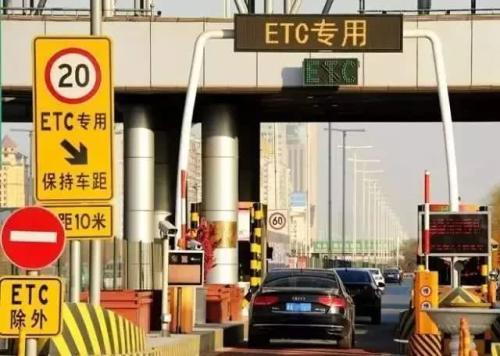
ETC 's pre-installation is currently in the process of design and installation, but the electromagnetic compatibility of vehicle electronics has troubled many engineers. The products of Leimao resistors are used in Jinyi Technology, Wanji Technology, and Juli Technology to solve electromagnetic compatibility problems.
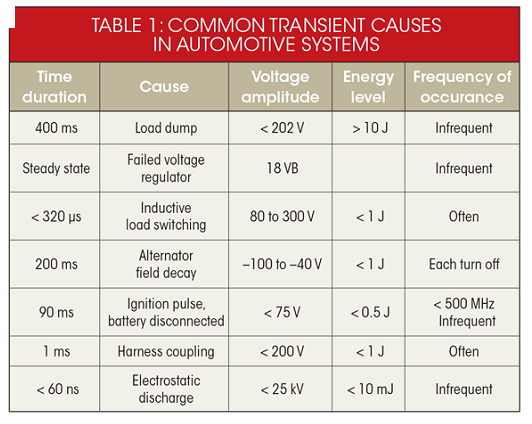
The power supply of the car system comes from the generator and the battery. There are many transient conditions in the power supply of the moving car, which will have a significant impact on the load. The specific categories can be found in the table below (Table 1 ). They can arise from many different sources, from ordinary static discharges to disconnected batteries.
So design engineers of infotainment, lighting, train driving, body or chassis / safety groups in automotive electronics need to consider circuit protection against these transients. Providing proper circuit protection helps ensure safety. It also helps reduce warranty and service-related costs for manufacturers.
The ISO International Organization for Standardization has relevant test standards very early, which requires automotive electronic system design engineers to understand the requirements of the International Organization for Standardization ( ISO ).
ISO 16750 applies to road vehicles, including environmental conditions and testing of electrical and electronic equipment. Issued in 2010 , superseded by Technical Committee ISO/TC 22 ISO 7637 Load dump etc. 16750-2 (Pulse Parts 5A and 5B ). A further revision of ISO 16750-2 was published in 2012 .
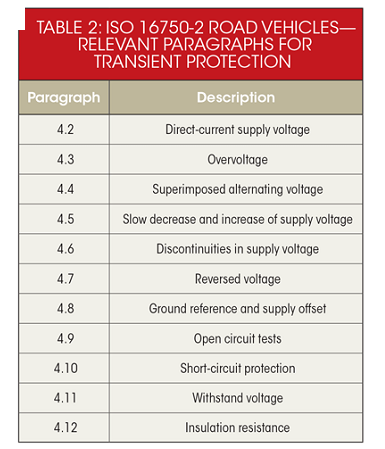
The ISO 16750-2 standard applies to road vehicle power electronic systems / assemblies (Table 2 ). It describes the potential electrical stresses of the environment and specifies tests and requirements for specific installation locations / on-road vehicles.
The need for load dump protection is described in Subsection 4.6, “ Discontinuities in Supply Voltage, ” subsection 4.6.4 load dump . A load dump occurs when a load delivering current to a generator is suddenly disconnected (Figure 1 ). In automotive electronics, this applies to intentional or faulty disconnection of the battery while being charged by the generator.
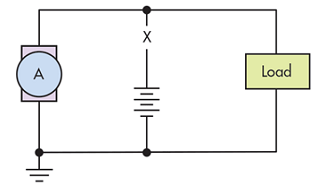
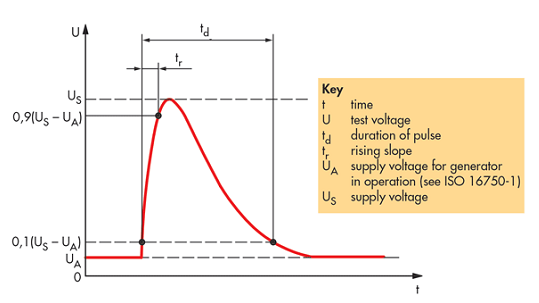
This can happen if the alternator is generating charging current from the load remaining on the alternator circuit. Figure 2 shows the waveforms and parameters of a simulation of a voltage surge caused by a rotating generator when the battery or other important load is suddenly disconnected.
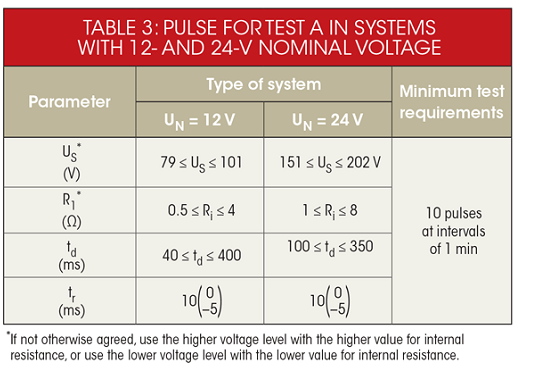
In Table 3 , we can see that the transient voltage can be as high as 202 V and may require as much as 400MS decay.
Considering that the series resistance can range from 1 to 2Ω and the inrush current can exceed 50A for a duration of 350ms , the designer needs to give special consideration to the duration of the overvoltage.
The ISO standard stipulates 10 pulses with a one-minute repeat test, and we need to design a load protection solution to maintain the current voltage without power failure.
Automotive electronics designers can solve circuit protection problems in several ways.
First, there is a switch solution . Here, the power supply may be designed to give us a wide input range non-synchronous buck controller, which will provide load dump protection for the car power supply. It protects against load dump transients by cutting input power to the controller or electronic subsystem for a specified pulse duration. Then reconnect, with a fixed delay when conditions return to normal. However, this solution has certain limitations. The input operating range is known and may be as high as 75 V. Designing an open circuit above this voltage is not allowed for some non-restartable devices. Other similar solutions would also require more discrete components and PCB layout.
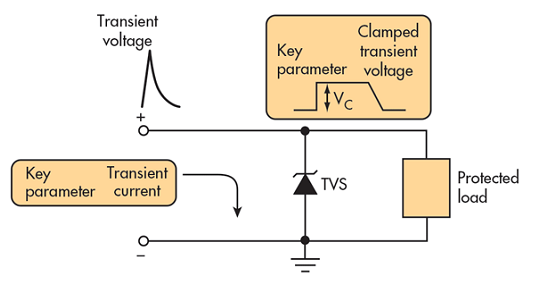
Another solution is the shunt scheme . In the basic method of protecting automotive electronic subsystems, a semiconductor transient suppression device TVS is connected in parallel with the input power supply voltage of the load . The response speed of TVS is fast, and the selection of appropriate voltage parameters and power can effectively resist load dumping.
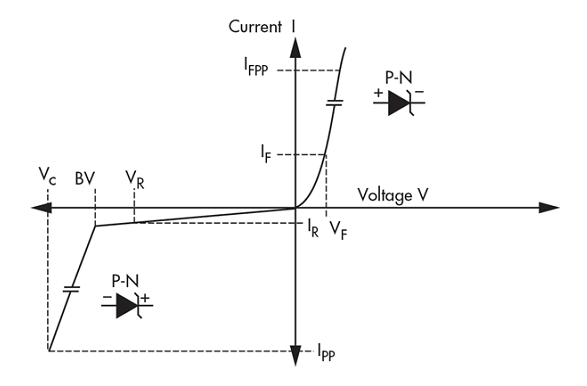
This is also a problem for semiconductor TVS . The power of conventional TVS devices is below 5000W . For the electrical conditions of automotive load dump, it needs to support a current of more than 60A and a high voltage impact of 350-400MS , and it needs to be tested 10 times (interval 1 minute), it is necessary to design a TVS device for automobiles with higher power and better heat dissipation . According to the curve parameter diagram of TVS , in the case of continuously increasing passing current, a relatively stable voltage output can be maintained to ensure the power supply of the back-end circuit.
Automotive electronics design engineers usually use 1500W or 3000W TVS diode devices in load dump protection circuits. But is this load protection reliable enough for current usage conditions, considering the increasing number of electronic systems in cars?
At a minimum, automotive designers need to implement short-circuit protection, ISO 16750-2 AEC-Q101 compliance and overall module reliability.
Many current generators have adopted output voltage limiting measures. 12V system OEMs require automotive laboratories to require 5B downshift tests for some products. Maybe low power can meet some requirements, but the reliability of the whole machine still needs to be considered .
In today's electronic systems, designers can avoid costly warranty, repair and other costs by exceeding these standard requirements for better assurance. Basic circuit protection functions should include solutions that provide a very low clamping voltage, thermal stability, and meet rohs reach requirements.
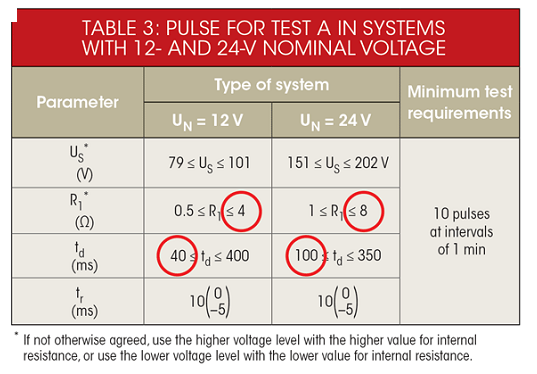
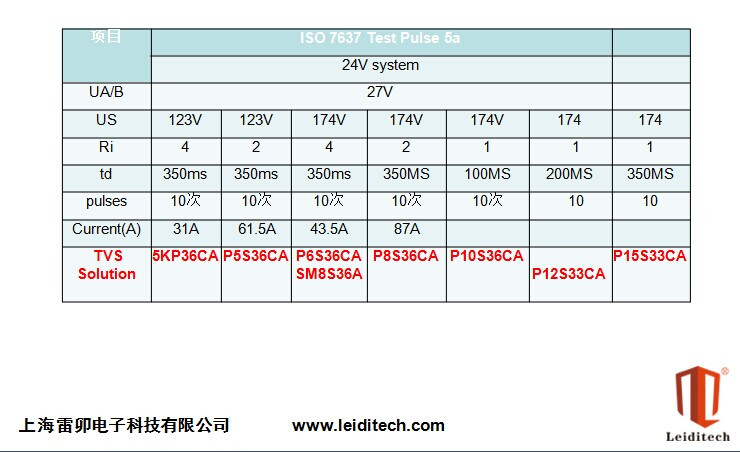
The data in the red circle in the above picture is not fixed, so many engineers do not know how to choose the test. There are also basic principles here, high voltage corresponds to high resistance, low voltage corresponds to low resistance, of course, domestic car manufacturers have gradually accumulated their own engines. Data has its own indicators. Shanghai Leimao Electronics has also accumulated a lot of customer test data, which can help customers provide data in the early stage during design, reducing a lot of repetitive design and test work.
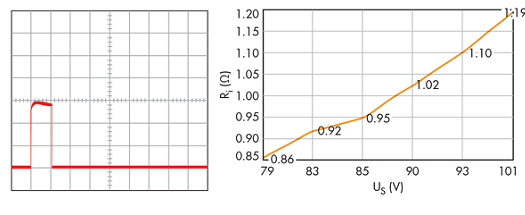
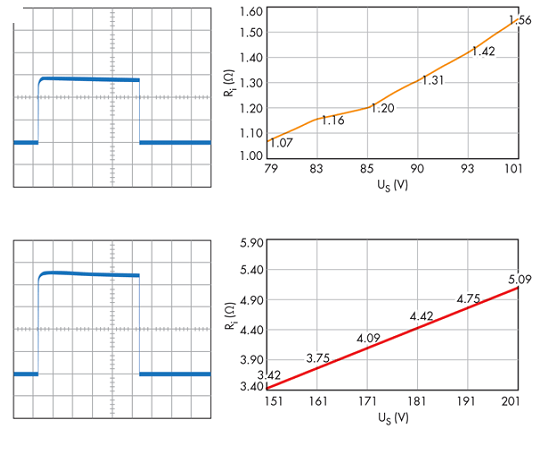
As we all know, continuously providing reliability of circuit protection also means an increase in cost, but a good brand wins customers by relying on reliability and stability, and zero faults during the warranty period is also a cost savings. The following lists several types of load dump waveforms and legends of corresponding voltage and resistance.
Summarize
Automotive electronic system design engineers should be aware of the importance of ISO 16750 for road vehicles. Designers must ensure that circuit protection meets automotive protection standards and understand that they include standardized simulations as they occur in real life.
Switching solutions provide protection against load dump transients by disconnecting input power to the controller or electronic subsystems. This is done for the specified pulse duration and then reconnected, restarting when stable conditions return to normal. However, this solution typically requires more than a dozen components, adding to overall cost and taking up valuable PCB layout.
The new solution employs shunt capability. Here, a single component with semiconductor transient suppressors protects the supply voltage from redundant automotive electronics systems. Use a TVS diode to instantly clamp the voltage, shunt the current, and protect the back-end DCDC . This method is simple and convenient, and has been widely used in major car manufacturers.
Raymao 's SMC24Q CAN ESD protection chip can completely replace PESD1CAN, NUP2105 and other foreign brand devices.
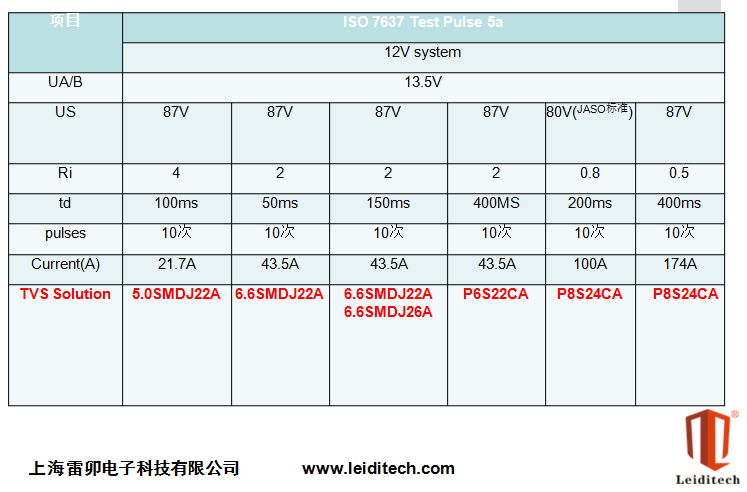
The interface protection of electronic products needs to use overvoltage protection devices. Many engineers realize that they need to use protection devices, but due to improper selection or failure to follow the ESD circuit PCB design principles, the product fails the electrostatic test or EMC test, and the product has been verified many times. , A waste of human and financial resources, delays in the launch of products always occur, or over-design, resulting in cost pressures.
Leimao specializes in providing customers with EMC design services, providing laboratories for thorough testing, and completing designs with high efficiency and cost control for customers. We hope that more customers can quickly pass EMC projects and improve product reliability.
Leimao Electromagnetic Compatibility Laboratory provides peripheral ESD protection reference circuits.