

1.12 Automotive brake sensing


1、 Overview of the plan:
The brake sensor is a type of sensor that acts on the brake system, helping drivers determine the wear of the brake pads, facilitating timely maintenance and repair, and ensuring the normal and stable operation of the system.
There are basically two types of brake pad alarms. The first type is a relatively simple mechanical alarm, which is when the brake pads are worn to the point where the alarm is exposed, a harsh sound is emitted through the friction of the alarm. The second type is sensor type, which is usually normally open under normal working conditions, meaning that the sensor is always in a path, and there will be no alarm display on the instrument panel. When the wire of the sensor is worn off, it becomes an open circuit, and an alarm display starts on the dashboard, reminding the owner of the brake system condition for real-time maintenance.
The brake system on the car is divided into disc type and drum type. The drum type is mostly used for freight cars and Economy car. The disc brake is convenient for maintenance and repair. Now most cars use the disc brake.
2、 Structure and function of automotive sensors:
Sensors typically consist of three parts:
(1) A sensitive element refers to the part that can directly feel (or respond to) the measurement, which is converted into a non electrical quantity or other quantity that has a definite relationship with the measurement through the sensitive element of the sensor.
(2) The conversion element converts the above non electrical quantities into electrical parameters
(3)The function of a measurement circuit is to process and convert the electrical parameters input by the conversion element into measurable electrical quantities such as voltage, current, or frequency for display, recording, control, and processing.
3、 Development trend:
Integration trend: Autonomous driving has led to the explosion of the automotive sensor industry. A single sensor can no longer meet more technical Functional requirement, and increasing the number of sensors means cost superposition for automobile manufacturers, which will weaken the competitiveness of the market. Therefore, the use of IC manufacturing technology and precision machining technology to produce IC type sensors has become a current trend.
Modular trend: With the rapid development of automotive electronics, the mechanical structure and components on the car body have been controlled by electronic devices. However, due to the narrow application space inside the car body, the space of component systems is even more limited. Therefore, in a general ideal situation, the electronic control unit should be closely integrated with the controlled components, gradually forming a whole. Therefore, the modularization of circuit and sensor components is an inevitable trend.
Internet trend: Intelligent networking technology has made cars the carrier of the Internet of Things. Sensors, as the core component of automotive environmental perception, are bound to be the development trend of interconnectivity in the future. By using sensors to interconnect with external road testing equipment, the interconnection between vehicles is achieved. Sensors transmit the collected data and information to the controller through signal conversion, and then make decisions for execution; It is interconnected with the vehicle manufacturer's background, so that the vehicle manufacturer can know the condition of Powertrain, chassis and other components on the vehicle in time and at any time, and provide safety, maintenance, driving and in-flight firmware update services for the vehicle owner.
4、 Recommended Leiditech products for automotive sensing:
|
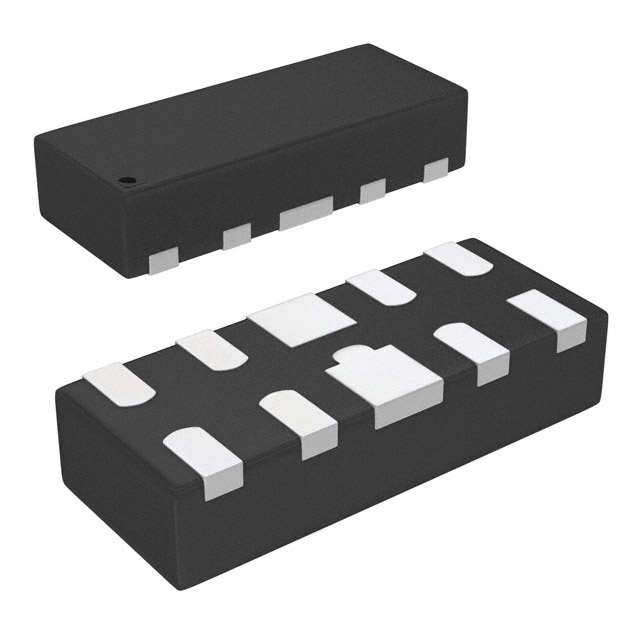
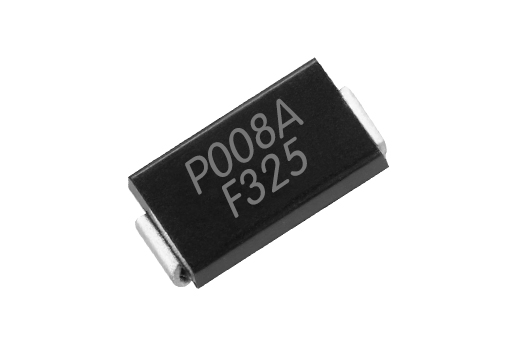
TVS Diode |
Leiditech
|
For power supply:5.0SMDJ24CA package SMC,24V VRWM,131.1A IPP |
|
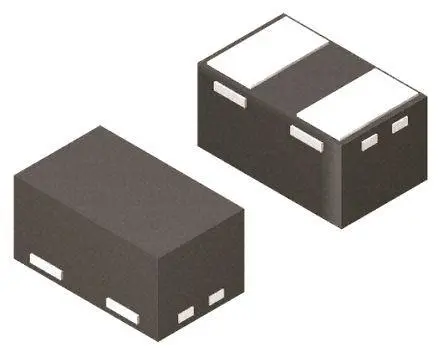
ESD Diode |
Leiditech
|
For Sensor:LC24CI package SOD-323,24V VRWM,3A IPP |
|
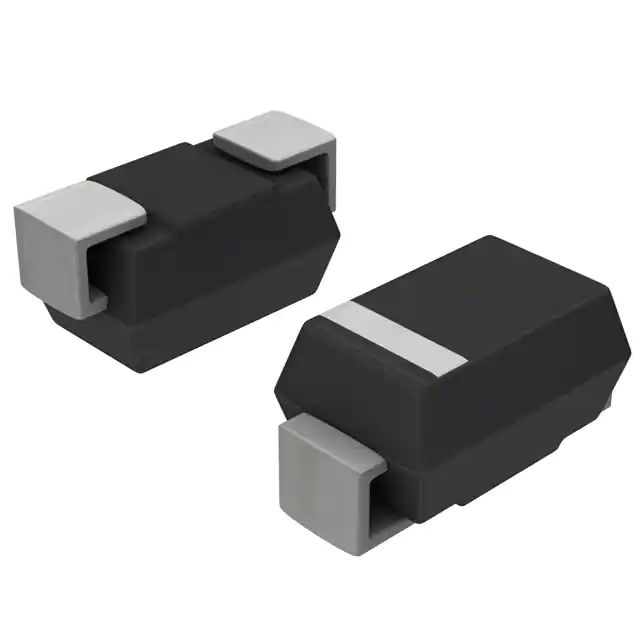
Schottky |
Leiditech
|
Anti reverse connection:SS56C package SMC, 60V VRRM 5A IF(AV)SS34LVFA package SMA, 40V VRRM 3A IF(AV) |
