

smart factory
3.21 Electric tool circuit protection scheme
Recommended circuit protection schemes for electric tools
1、 Electric tool circuit components
The driving circuit of electric tools usually consists of several main components, including power management module, control module, and power output module. The following is a brief description of a typical electric tool driving circuit:
1) Power management module: The power management module is mainly responsible for managing power supply and battery charging and discharging processes. It usually includes power switches, voltage regulators, and charging circuits. The power switch is used to control the connection and disconnection of the power supply, in order to turn on or off electric tools. The voltage regulator is used to stabilize the voltage provided by the battery within a range suitable for tool operation. The charging circuit is used to charge the battery and provides overcharging and discharging protection to ensure the safe use of the battery.
2) Control module: The control module is an intelligent control center for electric tools, used to monitor and control the operating status of the tools. It typically includes microcontrollers or electronic control units (ECUs), sensors, and control algorithms. The microcontroller or ECU is responsible for processing input signals and controlling the operation of tools based on preset control strategies. Sensors are used to detect the operating parameters of tools, such as speed, load, and temperature. The control algorithm is responsible for real-time adjustment and control based on sensor feedback data to achieve safe and efficient operation of the tool.
3) Power output module: The power output module is the part that converts control signals into mechanical power. It usually consists of a motor and a driving circuit. Electric motors are the core components of electric tools, which convert electrical energy into mechanical energy based on control signals. The driving circuit is responsible for controlling the start stop, speed, and torque of the motor. The driving circuit generally uses power transistors (MOSFETs) or power integrated circuits (ICs) to achieve precise control of the motor.
In short, the driving circuit of electric tools is a complex system, and these modules work closely together through their respective functions to achieve efficient, safe, and reliable driving of electric tools.
2、 Importance of circuit protection components for electric tools
The importance of protective components for electric tools cannot be ignored, as they play a crucial role in ensuring the safe operation and extending the service life of electric tools. The following are the importance of protective components for electric tools:
1. Overvoltage protection: Electric tools may face excessive voltage during use, such as sudden increase in grid voltage or overvoltage caused by lightning. Excessive voltage can cause damage to the circuits and electronic components of electric tools, and even cause hazards such as fire and explosion. By using appropriate protective components such as MOVs, TVS, etc., it is possible to effectively limit and absorb excessive voltage, protecting electric tools from the impact of overvoltage.
2. Overcurrent protection: The circuit of electric tools may face excessive current, such as overcurrent caused by motor faults, short circuits, and other reasons. Excessive current not only damages the circuits and components of electric tools, but also may cause safety issues such as wire breakage and electric shock. By using appropriate overcurrent protection components such as fuses, current protection switches, etc., the circuit can be cut off in a timely manner to prevent excessive current from causing damage to electric tools.
3. Overheat protection: Electric tools may overheat in circuits and electronic components during prolonged continuous use or overload operation. Excessive temperature can reduce the performance and lifespan of electric tools, and may also pose a fire risk. Appropriate overheating protection components such as thermal fuses, temperature control switches, etc. can cut off the circuit when the temperature rises to a certain extent, preventing overheating damage.
4. Transient protection: When faced with transient overvoltage or surge current, electric tools need to be able to quickly absorb and limit these energy impacts to avoid damage to circuits and components. Transient protection components such as MOVs, TVS, ESD, etc. can provide the ability to quickly respond and absorb energy, protecting electric tools from the impact of transient voltage and current surges.
In short, the existence of protective components for electric tools is to ensure the safety of electric tools and users, and to prevent damage and accidents from occurring. Reasonable selection and application of protective components can improve the reliability, safety, and service life of electric tools.
3,What protective components are required for electric tool circuits
1. Why Use PPTC (Polymer Positive Temperature Coefficient Thermistor) for Electric Tools
In electric tool circuits, PPTC is commonly used in the following two parts:
1) Power overload protection: In the power circuit of electric tools, PPTC is installed near the power input or power switch. When the current of the electric tool exceeds the rated value, such as due to overload or short circuit, the PPTC will be heated and rapidly increase resistance, thereby cutting off the current flow and protecting the electric tool from overcurrent damage. Once the fault is resolved, the PPTC will cool down and return to a low resistance state, allowing the power tool to resume normal operation.
2) Battery over discharge protection: In the battery circuit of electric tools, PPTC is used as an over discharge protection device. When the battery voltage drops to a low level, PPTC will heat up and increase resistance to limit the flow of current, prevent further discharge, and protect the battery from damage caused by excessive discharge. This helps to extend battery life and maintain battery safety.
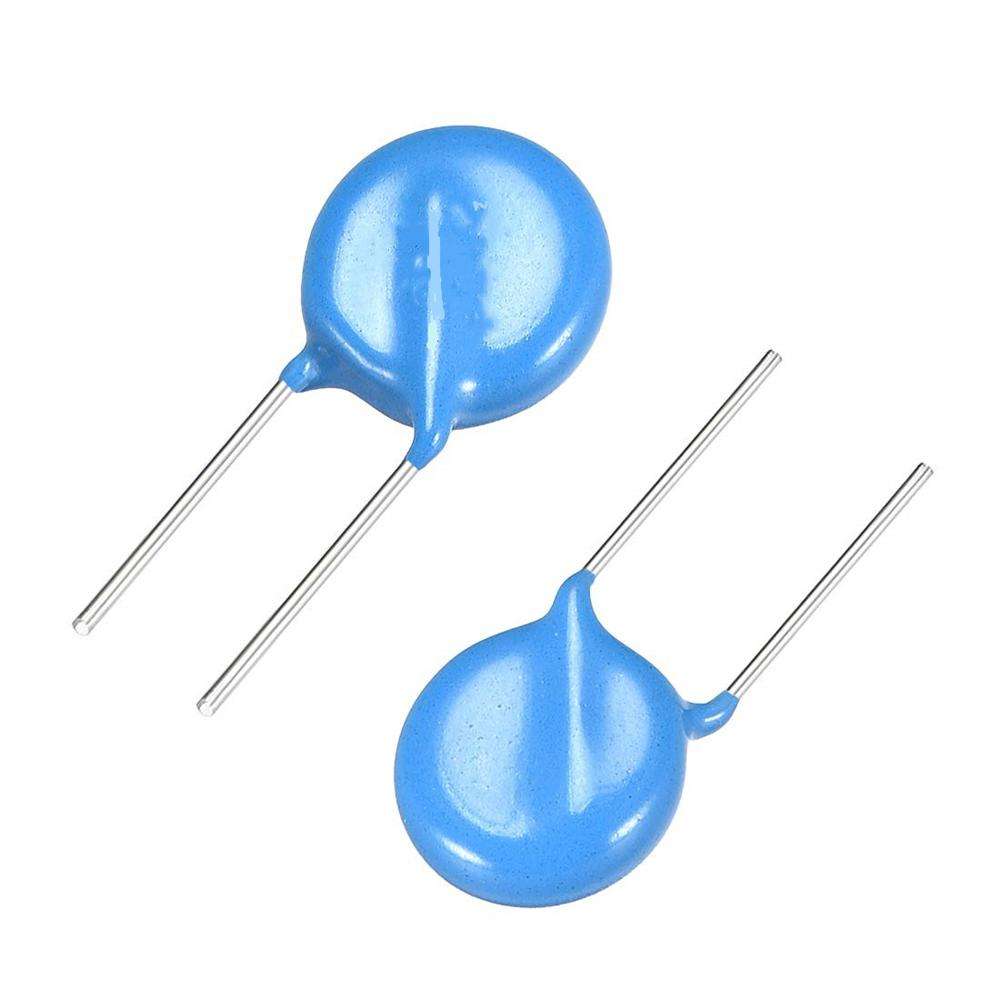
2. Why are electric tools used MOV (metal oxide Varistor)
Usually used in the power supply or switch part of electric tool circuits, mainly for voltage overload protection and electromagnetic interference filtering.
1) Power supply part: At the power input end of electric tools, a MOV is usually connected for voltage overload protection. When the input voltage exceeds the set value, the MOV will quickly respond and conduct, introducing excessive voltage into the ground or neutral line to protect other circuits and equipment from damage. This can avoid damage to electric tools and other electronic components caused by excessive voltage.
2) Switching part: In the switching circuit of electric tools, MOVs are also commonly used to suppress transient voltage interference of switches. When the switch is disconnected, the induced load generated will generate a reverse electromotive force, resulting in an instantaneous increase in voltage. This may cause damage to switch components and other electronic components. By connecting the MOV to the switching elements, it can absorb these transient voltages, provide electromagnetic interference suppression and protect the switching elements.
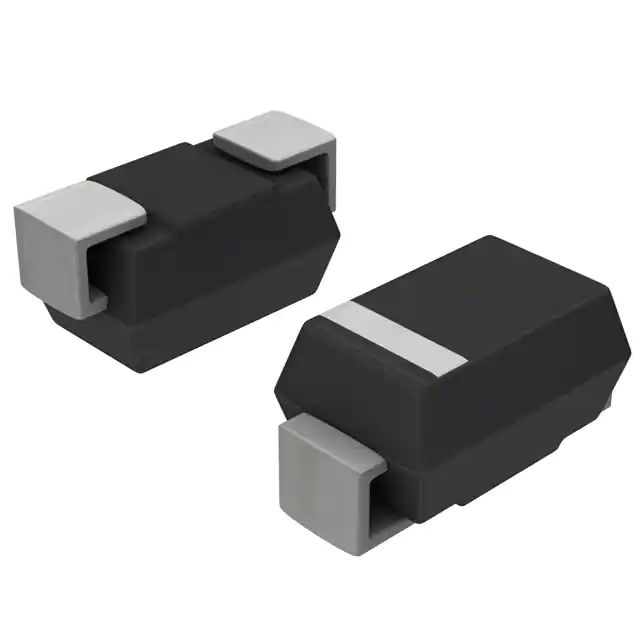
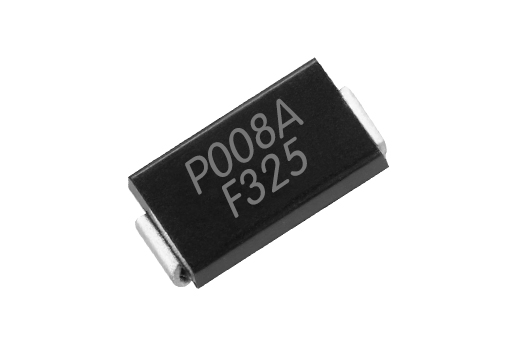
3. Why do electric tools use TVS (transient suppression diode)
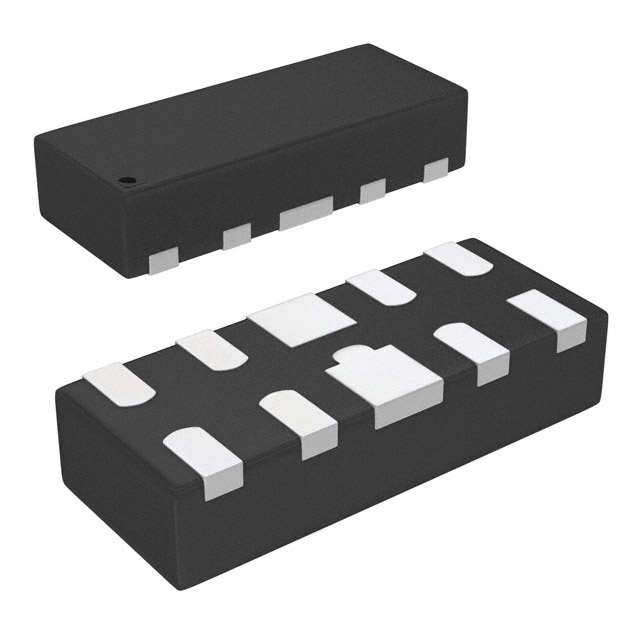
Usually used for the protection part of electric tool circuits, mainly for suppressing overvoltage and electromagnetic interference. In electric tool circuits, TVS is commonly used in the following parts:
1) Input protection: TVS is installed at the input power interface of electric tools to suppress overvoltage in the power circuit. It can effectively absorb transient overvoltage and peak voltage in the power supply circuit, preventing these overvoltage from damaging electric tools and other electronic components. This overvoltage may be caused by lightning strikes, interference from power lines, switch operation, and other reasons.
2) Output protection: In the output end of electric tools, such as in the motor drive circuit, TVS is also commonly used to suppress overvoltage generated between motor terminals. When the motor of a power tool is running, it may generate electromagnetic noise and interference, which may be introduced into other electronic components inside the power tool through the motor terminal, leading to malfunction or damage. TVS can absorb and suppress these overvoltage and noise by providing a low impedance path, protecting the normal operation of electronic components inside power tools.
3) Transient protection: TVS can also be used to suppress other transient overvoltages in power tool circuits, such as current surges, voltage fluctuations caused by switching operations, etc. These transient overvoltages may have an impact on the stability and reliability of electric tools, and the use of TVS can effectively provide transient protection。
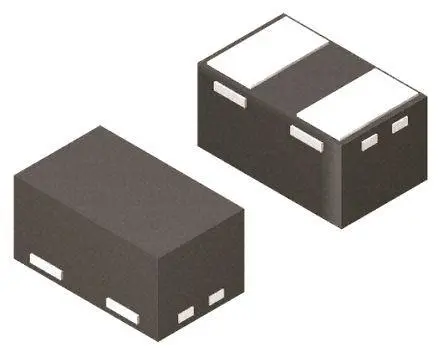
4. Why do electric tools use ESD (electrostatic suppression diode)
Usually used for the input/output port protection of electric tool circuits, mainly to suppress damage caused by electrostatic discharge. 1) Input protection: ESD protection devices are installed at the input power interface of the power tool or the I/O input port of the controller to suppress the damage of electrostatic discharge to the input terminal of the power tool
2) Output protection: At the output interface of the power tool, when the output signal interface of the power tool is connected to other devices, such as sensors, controllers, etc., electrostatic discharge may affect the normal operation of other devices through this interface. By using ESD protection devices, static discharge can be effectively absorbed and suppressed, protecting the output interface of electric tools and external devices from damage.
5. Why Choose MOSFETs (Semiconductor Field Effect Transistors) for Electric Tools
Usually used in the power control part of electric tool circuits, it is mainly used to achieve current switching and motor drive of electric tools.
In power tool circuits, MOSFETs are typically used for the following parts:
1. Motor drive: MOSFET can serve as a switching element in the motor drive circuit of electric tools, controlling the start stop and speed of the motor. By controlling the conduction and cut-off states of MOSFETs, the power supply of electric tool motors can be adjusted, thereby controlling motor rotation and adjusting speed. As a power switching element, MOSFETs have low conduction resistance and high switching speed, which can provide good performance in high-power environments of electric tools.
2) Power switch: MOSFETs can also be used as power switches in power tool circuits to control the connection and disconnection of power lines. By controlling the conduction and cut-off states of MOSFETs, the power supply of power tool circuits can be controlled, achieving fast switching of power lines. This is very important for the switch operation and power management of electric tools.
3) Protection and control circuits: MOSFETs can also be used in the protection and control parts of power tool circuits. For example, it can be used to achieve functions such as overvoltage protection, overcurrent protection, and temperature protection, protecting the safe operation of electric tools and other electronic components. In addition, MOSFETs can also be used to implement control logic for electric tools, such as start, stop, speed adjustment, etc.
The RDS (Drain Source On Resistance) of MOSFETs used in electric tools is an important parameter that represents the resistance of MOSFETs in their on state. A lower RDS value can bring higher efficiency, better thermal stability, and better overload capacity, thereby improving the performance and reliability of electric tools.
It should be noted that the specific specifications and rated parameters of the components listed above should be selected based on the needs and electrical characteristics of electric tools. In addition, relevant safety standards and specifications should be followed to ensure that the design and use of electric tools meet the requirements and provide reliable and safe operation.
3、 Recommended Circuit Plan for Shanghai Leiditech Electric Tools
1-TVS/ESD/PPTC/MOV recommendation (using battery 24 as an example)
|
application |
Type |
Part No |
description |
|
Power module |
PPTC |
HL30-700 |
Vmax=30V, Ih=7A, Pd=3.8W, package :DIP |
|
MOV |
14D470K |
V1mA=47V, Ipp=10A, I(A) =1KA, 10J, package :14D |
|
|
TVS |
SMCJ26CA |
VRMW=26V; Ppp=1.5KW, IPP=35.6A,package SMC |
|
|
Controller SPI port |
ESD |
SR33-04A |
VRWM=3.3V, VBR =4V, IEC 61000-4-2(ESD) ±20kV, 4-way bidirectional, IPP=11A, CJ=0.6PF, Ppp=70W,package SOT-23-6 |
|
Controller I/0 port |
ESD |
LC03CILVC |
VRWM=3.3V |
