

1.6 EPS electric power steering
Electric Power Assisted Steering (EPS), replacing hydraulic steering, can reduce weight and improve fuel efficiency; Can provide improved handling and steering experience; Being able to adjust steering torque based on vehicle speed and provide active torque in critical driving situations, thereby improving vehicle safety; Capable of communicating with other components on the vehicle, processing sensor signals, calculating the required assistance level through a program, and converting it into a control signal to output to the driving circuit, achieving automatic driving at the highest.
Overview of the plan:
In order to make vehicles more environmentally friendly, car manufacturers are increasingly shifting from hydraulic steering assistance systems to electric power assisted steering (EPS) using electric motors to reduce weight and improve fuel efficiency. At the same time, Electric Power Assisted Steering (EPS) can also provide improved handling and steering feel, adjusting steering torque according to vehicle speed, and providing active torque in critical driving situations, thereby improving vehicle safety.
This requires high performance of MCU, including high-performance CPU, large memory capacity, dedicated timer unit, high-speed, high-precision AID converter, and interfaces for communication with other control units.
The sensor includes a steering wheel torque sensor, which measures the torque applied by the driver to the steering wheel; The steering wheel angle position sensor measures the angle position of the steering wheel to provide support for the automatic centering function. In addition, ESP stability control, Adaptive cruise control, automatic parking and other systems also need more accurate steering wheel angle signals, so sometimes these systems provide CAN signals to EPS.
The electronic control unit of EPS can communicate with other components on the vehicle, process sensor signals, calculate the required assistance through a program, convert it into a control signal, and output it to the driving circuit, driving the motor to output torque. The torque output by the motor is loaded onto the steering system through a reduction mechanism. The forms include worm gear and worm type, circulating ball type, differential gear train, rocker arm mechanism, and so on.
Leiditech recommends products for electric power steering (EPS):
|
Category |
Brand |
Product and product overview |
|
|
ESD Diode |
Leiditech |
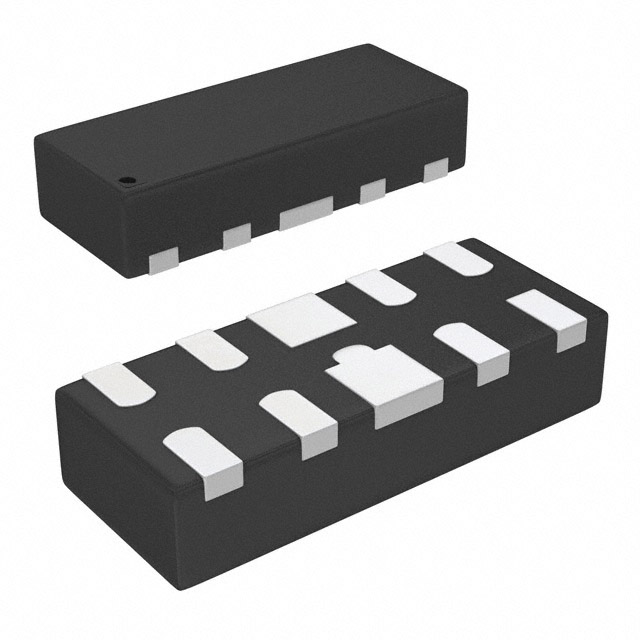
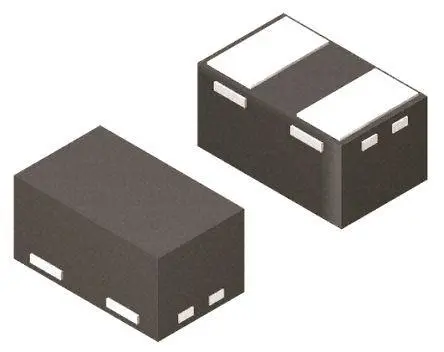
Sensor:LC24CI package SOD-323 peak working reverse voltage 24V,Leakage current 1ua
|
|
|
ESD Diode |
Leiditech |
For LIN:SD24C package SOD-323 peak working reverse voltage 24V,Leakage current 0.5ua 或 PESD1LIN package SOD-323 peak working reverse voltage 24V,Leakage current 0.5ua
|
|
|
ESD Diode |
Leiditech |
For CAN chips:SMC24 package SOT-23 peak working reverse voltage 24V,Leakage current 0.5ua |
|
|
TVS Diode |
Leiditech |
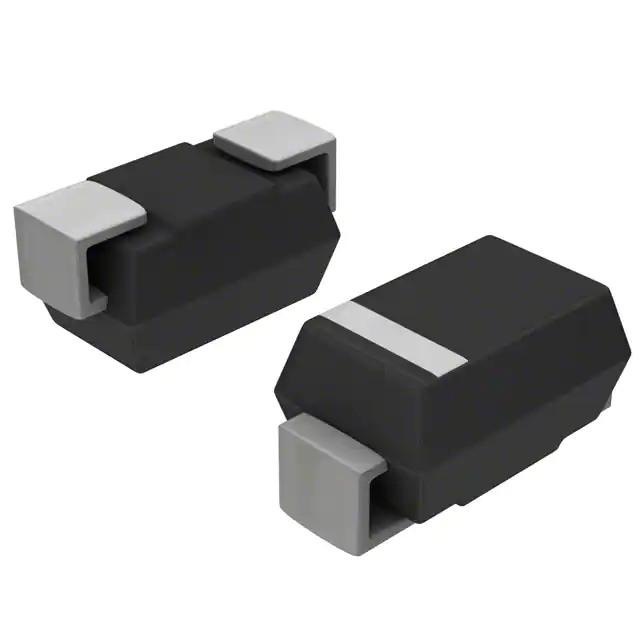
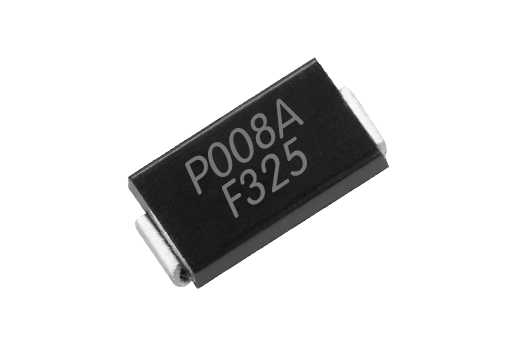
Load dump protection of power port:5.0SMDJ24CA package SMC peak working reverse voltage 24V,Leakage current 2ua SM8S24CA package SOT-23 peak working reverse voltage 24V,Leakage current 5ua |
|
|
rectifier |
Leiditech |
Anti reverse connection of power supply:SS54C package SMC VRRM 40V 0.5IR |
|
